ServiceNow Application Portfolio Management in a Tech Jungle
ServiceNow Application Portfolio Management (APM) is a strategic IT management capability within the ServiceNow platform that helps organizations understand, evaluate, and optimize their entire application landscape. In simple terms, APM gives decision-makers a clear, data-driven view of what applications exist, why they exist, how well they perform, what they cost, and whether they still deliver business value. APM bridges the gap between business strategy and IT execution by translating technical application data into insights that executives, enterprise architects, and IT leaders can act on.
Who needs Application Portfolio Management ServiceNow? Let’s face it – keeping track of a sprawling application portfolio can feel like herding cats. You’ve got legacy systems whispering sweet nothings in COBOL, cutting-edge platforms promising the moon, and everything in between. Enter ServiceNow Application Portfolio Management (APM), the Sherlock Holmes of IT ecosystems. This tool doesn’t just help you manage applications – it turns chaos into clarity, one byte at a time. But how does it really work? Let’s untangle this knot and see why you might want to try ServiceNow Application Portfolio Management for your business.
Why Is Application Portfolio Management Important?
Here’s a hard truth: almost 37% of IT budgets go to maintaining redundant or outdated applications, according to Gartner. That’s like paying rent for a storage unit filled with broken furniture. Application Portfolio Management in ServiceNow stops the madness by aligning your tech stack with your business goals.
How ServiceNow APM Works?
How does APM ServiceNow work? Imagine standing on a hill overlooking a dense forest. You can see every tree, but more importantly, you understand the forest. That’s what ServiceNow Application Portfolio Management does. It gives you:
- Visibility: Spot overlapping functionalities faster than you can say “Shadow IT.”
- Insights: Know which apps are treasures and which are trash.
- Alignment: Make sure your tech supports your strategy, not the other way around.
Let’s say you’re running a retail business. You have three different customer relationship management (for example, Salesforce CRM) tools across various regions. Not only do you pay licensing fees for all three, but training, integration, and maintenance costs add up like a bad tab at a fancy restaurant. With Service Now APM, you’ll identify the redundancy and consolidate into one unified platform.
Key Features APM in ServiceNow
ServiceNow APM enables organizations to move from fragmented application inventories to a structured, continuously governed application portfolio. Picture a librarian for your IT applications. Instead of Dewey decimals, though, this system categorizes, assesses, and optimizes every application you use. ServiceNow APM is a framework that evaluates your app landscape, offering insights into their value, costs, and risks. Think of it as a Marie Kondo method for your tech stack – it sparks efficiency rather than joy. Its core functions include the following:
Creates a Centralized Application Inventory
ServiceNow APM provides a single source of truth for all applications across the enterprise. Each application record can include:
- Business ownership
- Technical ownership
- Lifecycle stage (invest, maintain, retire, etc.)
- Dependencies and integrations
- Risk, cost, and compliance indicators
This eliminates spreadsheets, tribal knowledge, and inconsistent data sources.
Evaluates Business Value vs. Cost
One of APM’s most powerful capabilities is value-based assessment. It allows organizations to compare:
- Business criticality
- User experience and functional fit
- Total cost of ownership (TCO)
- Technical health and risk
The result is a clear understanding of which applications deserve further investment and which should be modernized, consolidated, or retired.
Supports Application Lifecycle Management
ServiceNow APM tracks applications across their full lifecycle:
- Plan
- Invest
- Maintain
- Modernize
- Retire
By aligning lifecycle stages with real usage, performance, and business relevance, organizations avoid overinvesting in legacy systems and underfunding strategic platforms.
Identifies Redundancy and Optimization Opportunities
ServiceNow APM helps uncover:
- Duplicate applications performing the same function
- Underutilized or obsolete systems
- High-cost, low-value applications
This insight supports rationalization initiatives, reducing technical debt and operational complexity while improving agility.
Maps Applications to Business Capabilities
With capability mapping, APM connects applications directly to business outcomes. This allows leaders to answer critical questions such as:
- Which applications support core revenue streams?
- Where are technology gaps limiting business growth?
- How does application risk impact specific business capabilities?
This is especially valuable for digital transformation, mergers, and enterprise-wide modernization programs.
Improves Risk, Compliance and Resilience
APM integrates with other ServiceNow modules (like ServiceNow Enterprise Onboarding and Transitions) to surface:
- Security risks
- Compliance gaps
- End-of-life technologies
- Vendor and licensing risks
This enables proactive decisions that reduce exposure and strengthen operational resilience.
Why You Should Try ServiceNow Application Portfolio Management?
Now, let’s get down to brass tacks. Why should you try ServiceNow Application Portfolio Management instead of sticking to spreadsheets or winging it? In short, APM helps enterprises spend less on what no longer matters and invest more in what drives real business value.
ROI That Speaks Volumes
According to Forrester, organizations using ServiceNow APM can achieve a 200% ROI in three years. By eliminating redundant applications and streamlining workflows, you can free up a budget for innovation.
Reduced Complexity
Did you know that the average enterprise runs over 300 applications? That’s like managing 300 different houseplants with unique watering schedules. ServiceNow simplifies your life by grouping similar apps and revealing overlaps.
Real-World Stats That Matter
- 73% of IT leaders report application sprawl as a top challenge (Flexera).
- Organizations save up to 25% on maintenance costs by retiring redundant apps (CIO.com).
- ServiceNow customers experience a 30% reduction in app-related incidents, boosting user satisfaction.
Who Uses ServiceNow APM?
ServiceNow APM is used by:
- CIOs and CTOs
- Enterprise and solution architects
- IT portfolio and program managers
- Digital transformation leaders
- Finance and governance stakeholders
Each role benefits from tailored views and dashboards, aligned to their decision-making responsibilities.
Challenges and How to Overcome Them?
Of course, adopting any tool comes with its hurdles. Some companies hesitate to implement application portfolio management in ServiceNow because they fear the process will be too complex. The good news? ServiceNow’s intuitive interface takes the sting out of setup.
Pro Tip:
Start small. Choose a single department, run an analysis, and then scale up. Think of it as dipping your toes in the pool before diving headfirst.
A Day in the Life With ServiceNow APM
Let’s bring it home with a hypothetical scenario. You’re the CIO of a mid-sized tech firm. Every week, a new application request lands on your desk. Yesterday, your team flagged a potential security risk in an outdated HR system. Thanks to ServiceNow APM, you’re already two steps ahead:
- You know which apps are redundant.
- You’ve identified cost-saving opportunities.
- Risk metrics flagged the HR system weeks ago, so a migration plan is underway.
Without APM, you’d be stuck playing whack-a-mole. With it? You’re steering the ship like a pro.
How APM Fits into the ServiceNow Ecosystem?
ServiceNow APM works most effectively when integrated with:
- IT Service Management (ITSM) – link applications with incidents, changes, and service performance
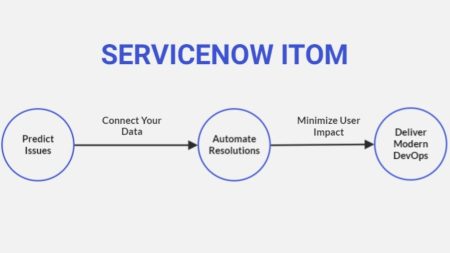
- IT Operations Management (ServiceNow ITOM) – understand infrastructure dependencies
- Strategic Portfolio Management (SPM/ITBM) – align application decisions with funding and strategic initiatives
- Security Operations (SecOps) – assess risk and vulnerability impact
Together, these modules create an end-to-end view from business demand to technical execution.
How to Implement ServiceNow APM in Your Organization?
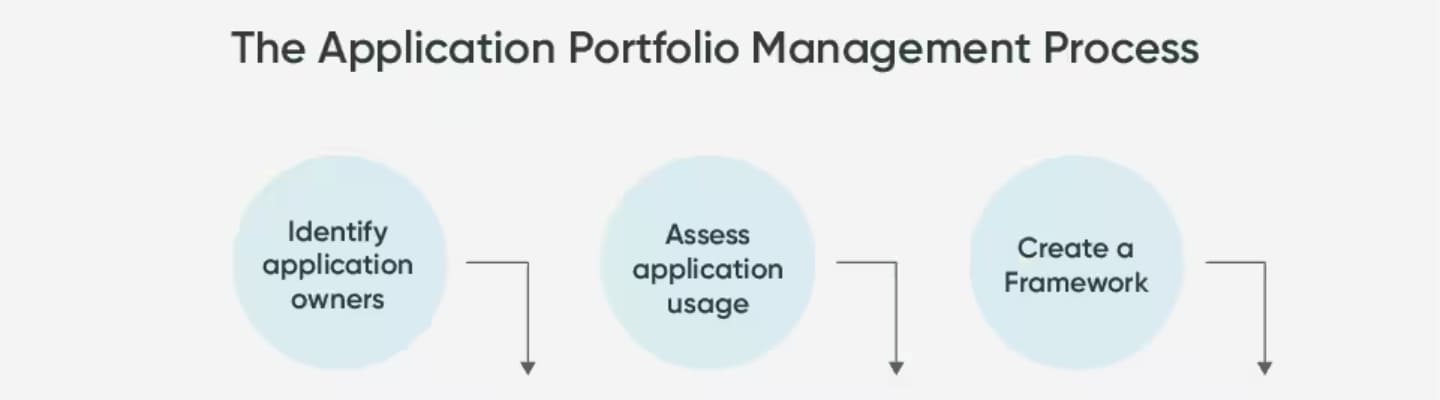
Step 1: Inventory Your Applications
List every application in your ecosystem. Yes, even the ones hiding in the shadows. A complete inventory is your launchpad.
Step 2: Map Business Capabilities
Identify which applications support key business objectives. This step helps you separate the wheat from the chaff.
Step 3: Evaluate Costs and Risks
Analyze the cost of ownership for each application. Include licensing, maintenance, and integration fees. Next, assess security risks and compliance issues.
Step 4: Consolidate and Optimize
Eliminate redundancies and prioritize applications that deliver value. Streamlining your stack improves efficiency and cuts costs.
Step 5: Monitor Continuously
The job isn’t done after the initial assessment. Use ServiceNow APM’s analytics tools to track performance and make data-driven decisions.
The Future of Application Portfolio Management
AI and Automation
Artificial intelligence is the future of APM. Machine learning algorithms can predict application performance trends and identify risks faster than human analysis.
Predictive Analytics
Imagine knowing which applications will become obsolete before they actually do. Predictive analytics could save companies billions by preventing costly surprises.
Is ServiceNow APM Worth It?
If you’ve ever lost sleep over mounting IT costs or struggled to make sense of your app inventory, it’s time to try Service Now Application Portfolio Management. Think of it as the GPS for your tech stack – guiding you, saving resources, and avoiding dead ends. So, are you ready to take the plunge? After all, the only thing worse than dealing with application sprawl is doing nothing about it. Why not take control today?