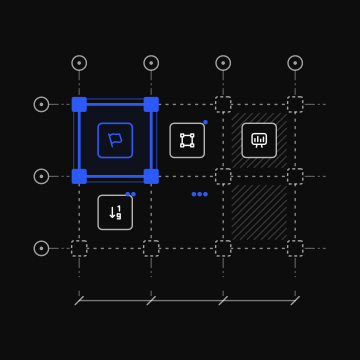
GFL’s Database Delivery Process

Database development company GeeksForLess (GFL) connects business requirements with clear design decisions, validation checks and a controlled production release.
custom database development

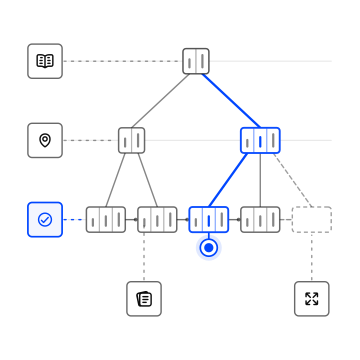
Assess & Model

We assess source data, reporting needs, application behavior, growth expectations, platform approach and delivery scope.
database development services

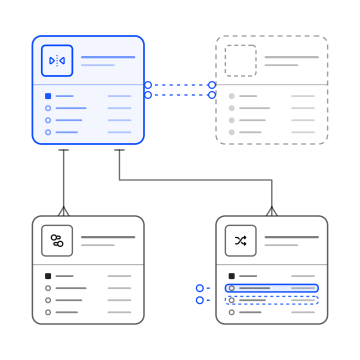
Build & Validate

We build data structures, configure flows, test integrity, access, performance and validate migrations where needed.

database development company

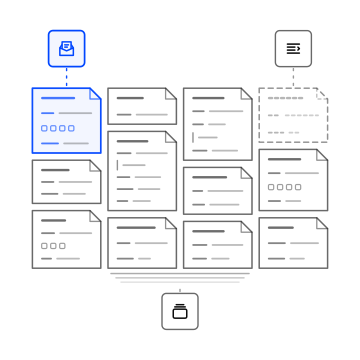
Deploy & Refine

We manage rollout, verify access, deliver documentation, establish monitoring and support post-launch improvements.

From Data Chaos to Clarity

GeeksForLess (GFL) creates database development solutions for business processes that depend on consistent, available information:

  • Record Consistency – GFL defines validation and relationship rules to reduce conflicting entries and prevent avoidable data errors.
  • Shared Definitions – We align how systems represent customers, products, transactions, and other core business entities.
  • Timely Access – We organize data around frequent application tasks so users can retrieve relevant information efficiently.
  • Traceable Changes – GFL designs appropriate history and audit records to help teams understand when important information changed.
  • Growth Readiness – We plan for increasing data volumes and usage so today’s structure does not unnecessarily restrict tomorrow’s applications.
database building services
Principles

Trusted
Data
Stronger
Operations

GeeksForLess (GFL) approaches custom database development as a foundation for dependable business software. We connect data structure, application behavior and operational needs so information remains useful as your organization evolves.

Contact Us

SQL Database Solutions

GeeksForLess (GFL) delivers enterprise-grade relational architectures as part of our bespoke database development offerings, focusing on data integrity, performance and consistency:

  • Data Consistency – At GFL, we synchronize data across systems through custom database software development.
  • Autonomous Databases – We automate database operations to improve accuracy and support compliance through database development solutions.
  • Concurrency & Locking – We use database development software to manage concurrent transactions and preserve data integrity under heavy workloads.
database development solutions for business

NoSQL Database Solutions

We design flexible, scalable NoSQL environments for enterprises managing large volumes of unstructured data through database development solutions:

  • Document-Oriented Storage – At GFL, we organize semi-structured data for efficient access through our database development services.
  • Massive Dataset Management – Our database building services enable fast ingestion and retrieval at scale.
  • Flexible Expansion – We design adaptable schemas through custom database development services to support your business growth.
database development solutions

Turn Data Into Business Value

At GFL, we design databases that reduce costs, accelerate daily operations and improve reliability.

01/

Less Reconciliation Work

Reduce the effort teams spend investigating inconsistent records and correcting preventable errors.

02/

Faster User Tasks

Help employees and customers complete data-dependent actions with fewer delays.

03/

Clearer Business Reporting

Give reporting tools a more consistent foundation for tracking performance and answering operational questions.

04/

Better Cost Control

Reduce unnecessary resource consumption and make capacity needs easier to anticipate.

05/

Easier Product Expansion

Support new features and business processes with data structures that can evolve.

Our Database Stack

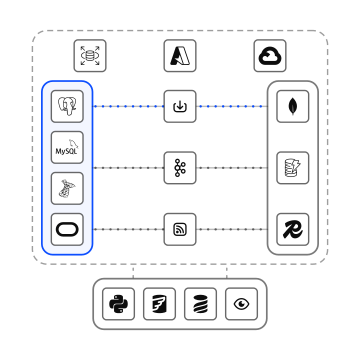
We select technologies around data relationships, access patterns, hosting requirements and your team’s maintenance capabilities:

  • Relational Databases – PostgreSQL, MySQL, Microsoft SQL Server and Oracle Database.
  • Document & Key-Value Stores – MongoDB, Amazon DynamoDB and Redis.
  • Managed Database Platforms – Amazon RDS, Azure SQL Database and Google Cloud SQL.
  • Data Movement – ETL/ELT pipelines, change data capture, Apache Kafka and API-based integration.
  • Development & Operations – SQL, Python, Flyway, Liquibase, monitoring tools and backup utilities.
custom database development services

Build a Better Data Foundation

Start with a slow application, disconnected records or a database that no longer fits your business. Custom database development company GeeksForLess (GFL) can assess the current environment and outline the target structure, delivery priorities and first implementation milestone.

bespoke database development

Database Development FAQ

FAQ.

Yes. We can review the current structure, queries, data quality and application dependencies to identify targeted improvements. The scope may include tuning, schema changes or revised data flows. A replacement is considered when the existing platform or design cannot reasonably support your requirements.

Yes. Our custom database software development can include application screens for entering, searching, updating and reporting on information. We scope the interface separately from the database layer so user workflows, permissions and validation requirements are clear.

We assess data relationships, consistency needs, query patterns, expected scale and operational constraints. Relational databases often fit structured records and transactions while other models may suit specific document or access requirements. The choice follows the workload and maintenance needs rather than a preference for one technology.

Cost and timing depend on the data model, integrations, migration volume, data quality and testing requirements. Security controls and availability expectations, also affect the implementation effort. We define assumptions and milestones before estimating delivery with discovery available when the scope needs clarification.

We agree on data validation checks, backup procedures, cutover steps and a recovery approach before migration. Where practical, trial transfers help uncover mapping issues before production changes. Downtime requirements are assessed during planning and ongoing support can cover performance reviews, recovery testing, updates and further development.

Interested in Database Development?