GFL’s Code Audit Workflow

Our code audit consultants organize the engagement around your upcoming decisions, available evidence and agreed review boundaries.

code audit

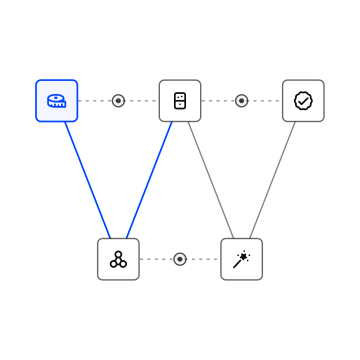
Define the Scope

We define product goals, review scope, required access, key requirements and expected outputs.

code auditing

Investigate & Validate

We combine automated and manual analysis to identify risks, evidence and areas requiring further review.

compliance assessment software

Prioritize the Next Steps

We deliver prioritized findings, recommended actions, dependencies and next steps for your development backlog.

From Risks to Priorities

GFL’s software code audit helps answer the questions that hold back product decisions:

  • Release readiness – Understand which findings warrant attention before launch and which can enter a later improvement cycle.
  • Modernization direction – Identify components worth retaining, refactoring, or investigating further before committing to a broader rebuild.
  • Vendor transition – Surface undocumented dependencies and fragile areas that a new development team needs to understand.
  • Investment clarity – Examine technical assumptions behind an acquisition or product investment and identify questions requiring deeper diligence.
  • Expansion planning – Assess whether existing design choices could complicate new features, integrations, or customer growth.
code audit services
Principles

Clear
Findings
Confident
Decisions

Your software should support your next business move. GeeksForLess (GFL) connects technical findings to product priorities so you can decide where to invest, what to address first and which changes need more evidence.

Contact Us

Core Code Audit Expertise

Our effective source code auditing helps to understand how individual implementation choices affect the wider application:

  • Contextual Risk Analysis – Evaluate findings against access conditions, data sensitivity, and business workflows so priorities reflect realistic exposure.
  • Cross-component Reasoning – Trace interactions across application modules and services to uncover problems that isolated file checks can miss.
  • Change Impact Analysis – Examine tightly connected components and unstable interfaces to understand where a small modification could affect broader functionality.
  • AI-generated Code Assessment – Review generated contributions for incorrect assumptions, unsuitable dependencies, and missing validation before they become embedded in the product.
  • Evidence Interpretation – Distinguish confirmed weaknesses from tool alerts and unresolved questions, giving teams a clearer basis for action.
code audit service

Cost of Code Audit Services

The cost of code audit services depends on codebase size, technology stack, audit depth, documentation quality and the goals of the review. GeeksForLess (GFL) keeps the process clear from the start, so you know what is being reviewed, what you will receive, and what the engagement will require:

  • Clear Scope – Define the systems, modules, and priorities included in the audit
  • Right Review Depth – Match the audit level to your technical risks and business needs
  • Actionable Deliverables – Receive clear findings, priorities, and practical recommendations
  • Defined Timeline – Set realistic review milestones based on project complexity
  • Access Requirements – Confirm repositories, documentation, and environments upfront. Flexible Support – Extend the audit with remediation planning, fixes, or follow-up reviews
cost of code audit services

Business Value of Code Audit

Every our skilled code auditor understands both engineering detail and business context. GeeksForLess (GFL) helps companies improve software with clarity, speed and practical engineering judgment. Our understanding helps to maintain, scale and modernize across real business environments.

01/

Better Budget Allocation

Focus improvement spending on substantiated problems and understand the tradeoffs before funding larger changes.

02/

Fewer Release Surprises

Give teams visibility into weaknesses that could otherwise emerge late in delivery.

03/

Stronger Product Continuity

Address fragile code paths that put essential customer and operational workflows at risk.

04/

Easier Team Handoffs

Reduce reliance on individual developers by clarifying difficult areas and missing technical context.

05/

Greater Roadmap Confidence

Plan upcoming features with a better understanding of the software changes they depend on.

Source Code Auditing for Security

Our source code auditing helps uncover hidden risks in application logic, integrations, dependencies and development practices. GeeksForLess (GFL) reviews how your software is built, how it behaves and how safely it can evolve. Our code auditing helps to check for:

  • Security & Integration Risks – Identify vulnerabilities, unsafe integrations, and weak points that may expose systems or data.
  • Code Quality Issues – Detect duplicated, fragile, overly complex, or unclear logic that can increase development effort.
  • Error Handling & Reliability – Review exception handling, failure scenarios, and application behavior under unexpected conditions.
  • Architecture & Scalability – Assess modularity, dependencies, and structural constraints that may limit future growth or performance.
  • Maintainability & Technical Debt – Highlight outdated dependencies, difficult-to-maintain components, and areas that may slow future development.
source code auditing

Know What to Fix Before You Invest

Share your product goals, technology stack and the concerns slowing your team down. GeeksForLess (GFL) will help define a focused code audit service, starting with a proposed scope and the business questions the assessment should answer.

software code audit

FAQ Code Audit

FAQ.

Code audit services review your software codebase to identify quality issues, security risks, performance problems, technical debt and maintainability gaps. The goal is to give your team a clear improvement roadmap.

A company should request a code audit before a major release, modernization project, acquisition, vendor transition, scaling phase or when the software becomes difficult to maintain or extend.

A software code audit may include code quality review, architecture assessment, security checks, dependency analysis, performance review, documentation analysis and prioritized recommendations.

The timeline depends on the size and complexity of the codebase. A focused review may take less time, while a full audit of a complex system requires deeper analysis and broader documentation.

Yes. After the audit, GFL can support remediation, refactoring, modernization, security improvements, performance optimization and long-term development planning.

Interested in Code Audit?